
Keeping Summer Safe: What BC Pet Parents Need to Know About Blue-Green Algae
July 10, 2026

If you’ve been watching the news or scrolling through your community Facebook groups recently, you’ve probably come across headlines or friendly warnings about *blue-green algae* in BC lakes this summer. From local vets to regional health authorities, concerns have been growing around this not-so-pretty bloom that surfaces when the weather heats up—especially where pets are involved.

At Paw’ty Waggin’, we’re all about outdoor fun and dog-friendly adventures, but sometimes even the splashiest summer days come with a side of caution. If you’re planning lake dips, paddleboarding sessions, or trailside swims with your pup, this is the blog to read before you leash up and head out.

What Is Blue-Green Algae, Anyway?

Blue-green algae—also known as cyanobacteria—is a naturally occurring bacteria found in freshwater. It tends to thrive during summer in still, warm lakes and ponds, and when conditions are just right, the bacteria multiply into thick "blooms" that spread across the water’s surface.

You’ve probably seen one at some point: it might look like spilled paint, pea soup, greenish scum, or oily foam creeping along the edges of a lake. While not every bloom is toxic, there’s no way to tell just by looking—and that’s where the real risk lies. 

Some algae types release toxins that are extremely harmful to humans, wildlife, and especially pets [gov](https://www2.gov.bc.ca/gov/content/environment/air-land-water/water/waterquality/algae).

_                                                                                                                                                                                                                                                                                       

🐕 Why It’s a Big Deal for Our Four-Legged Friends 

When we say toxic, we’re not exaggerating. Every summer, we hear about dogs getting sick— or worse—after being exposed to blue-green algae. Most often, dogs are affected after swimming in contaminated water, drinking from it, or even just licking their fur afterward during a post-lake nap. 

This year, BC veterinarians have reported more than a few suspected cases connected to algae exposure [cbc](https://www.cbc.ca/news/canada/british-columbia/blue-green-algae-bcrisks-1.6665123). It’s not just hypothetical: reported bloom locations this season include **Nicola Lake** in the Interior, **Elk/Beaver Lake** in Saanich on Vancouver Island, and even **Lost Lagoon** in Vancouver’s Stanley Park. While **Cultus Lake** hasn’t made the recent list, locals will remember previous blooms reported there in 2022—a reminder that even popular, well-frequented lakes aren’t immune.

Symptoms can come on quickly. These may include:

- Excessive drooling

- Vomiting or diarrhea

- Difficulty walking or weakness

- Seizures

- Lethargy or unresponsiveness 

In severe cases, toxins can affect the liver or nervous system. This can, tragically, lead to death if not treated quickly.

_                                                                                                                                                                                                                                                                                       

🛟 6 Simple Ways to Stay Safe While Still Enjoying the Water

Here’s the good news: you can still enjoy your favourite lake days—just be proactive and wise about where (and how) your pup plays in the water. Oh, and don't worry—we’re not suggesting you cancel your paddleboarding adventures with your four-legged co-pilot! You just need to keep that splash safe. 

Here are some tips you’ll want to save:

1. Check Local Advisories Before You Go

Always take a quick peek at [BC’s Water Quality Advisories](https://www2.gov.bc.ca/gov/ content/environment/air-land-water/water/water-quality/algae) or local municipal websites before you pack up the car.


2. Avoid Water That Looks Suspicious

If you see colourful film, floating scum, or if it smells off—skip it. It’s just not worth the risk, no matter how enthusiastic your pup is.


3. Keep Dogs Leashed Near Shorelines

Especially if you’re unsure about the water or at a new-to-you beach. Curious noses and tongues can find trouble in seconds.


4. Pack Your Own H2O

Always bring clean, fresh water from home—and a collapsible bowl—for your pup to drink. That way, they won’t be tempted to sip from the lake while you’re loading the kayak.


5. Rinse Off After Swims

Even if there’s no advisory posted, a freshwater rinse with a hose or jug afterwards helps keep their coat—and your peace of mind—clean.


6. Know the Emergency Signs

If your dog starts vomiting, drooling, stumbling, or showing sudden fatigue after being around water, don’t wait it out. Contact your vet immediately and let them know algae exposure is possible.

_                                                                                                                                                                                                                                                                                       

🔍 Want to Help? Join the Algae Watch Network!

Here’s something cool: you can actually take part in protecting our lakes and fellow pet lovers across BC. If you spot what you think could be a blue-green algae bloom, you can submit an observation—picture or sample—directly to BC's Algae Watch program. 

This helps inform official water advisories and keeps the community safe. Your heads-up could make a big difference. 

➡ [Submit your algae observation here](https://www2.gov.bc.ca/gov/content/environment/airland-water/water/water-quality/algae-watch/submit-your-algae-bloom-observation/algaewatch-observation-map)


Pretty neat, right?

_                                                                                                                                                                                                                                                                                       

🏕 Soak Up the Last Weeks of Summer—Safely! 

August is winding down, and whether you're heading to the Interior for a lakefront camping trip, ferrying off to the Island, or squeezing in some dog-friendly paddling before back-to-school chaos begins, make sure your lakeside adventures end in wagging tails—not vet visits.

And hey—if your idea of summer fun includes a paddleboard, a lazy lake float, and a wet, grinning dog riding shotgun—we’re right there with you. Just remember to stay alert for signs near lakes, double-check advisories before you go, and trust your instincts when the water doesn’t look quite right.

_                                                                                                                                                                                                                                                                                       

At Paw’ty Waggin’, we’re all about helping pets (and their people) enjoy BC’s best with confidence. Whether you’re hiking, paddling, road tripping, or just strolling near the water, a little knowledge goes a long way in keeping your pets safe, healthy and happy.

Here’s to a splashy, joyful, and safe end to your summer. 🐾 💙

Stay wagging, stay curious, and enjoy the ride, **The Paw’ty Waggin’ Crew** 

_                                                                                                                                                                                                                                                                                       

Important note: Always consult [BC’s up-to-date water safety and algae advisories] (https://www2.gov.bc.ca/gov/content/environment/air-land-water/water/water-quality/algae) before travelling to or swimming in local lakes. Conditions can change quickly based on temperature and water movement.

Want to help monitor blooms in your area? [Submit your observation or photo here](https:// www2.gov.bc.ca/gov/content/environment/air-land-water/water/water-quality/algae-watch/ submit-your-algae-bloom-observation/algae-watch-observation-map).

August 2, 2026
ILet’s be honest—2025 (and beyond) is looking pretty amazing for pet parents. From selfcleaning litter boxes to automatic feeders and Wi-Fi-connected water fountains, we’ve entered an era where caring for our furry family members has never been more *innovative* or *convenient*. And we’re all for it! But here’s the truth: **tech doesn’t replace human touch**. Especially when it comes to daily connection, safety, and emotional care. At **Paw’ty Waggin’**, we’ve proudly served **Abbotsford and the Fraser Valley** since 2017. While we absolutely love the latest pet care gadgets, we’ve seen firsthand the irreplaceable value of real, compassionate, **face-to-snout care**. Tech is great—**but pets still need people**. Here’s why mixing smart tools *with* professional, in-person care makes all the difference. Cats Are Independent—But That Doesn’t Mean They Don’t Need You We hear it all the time: *“I have a cat. They’re fine on their own for a day or two.”* Sure, cats are famously self-sufficient—but that doesn’t mean they should be left alone without daily care. Litter boxes still need scooping. Auto-feeders may jam. Water fountains might run— but have a funky filter that needs fixing. And if your cat’s routine is even slightly disrupted? You could end up with a stressed-out kitty who refuses the litter box or hides under the bed for hours. A reliable sitter who visits daily can spot issues quickly, refill or clean things as needed, and offer your pet the gentle routine they love—without the stress of uncertainty. Don’t Let Smart Tools Fool You—They Still Need a Human Backup Yes, **the Litter-Robot**, **smart feeders**, and **fancy fountains** are total game-changers. Many are even **battery-powered**, which helps if there's ever a power interruption. But that doesn’t make them fail-proof. Here’s the thing—**most smart pet gadgets rely on Wi-Fi**. If there’s a weak connection, your camera feed might cut out, notifications might glitch, or settings might not update. You wouldn’t even know something went wrong while you’re out hiking Chilliwack Lake or enjoying a cozy getaway in the Okanagan. On top of that? Filters get clogged. Feeders run low. Batteries die quietly in the background. Daily visits from a pet sitter ensure everything keeps working properly—*and* your pet doesn’t miss a beat in the process. Fraser Valley Winters Can Be Unpredictable—Tech Can’t Shovel a Path or Calm a Nervous Pet While we don’t exactly get brutal -40°C winters here in the **Fraser Valley**, **Abbotsford’s damp, icy, and windy winter weather** still makes things a little trickier when it comes to reliable routines. Doggy doors might get stuck with mud and frost. Your pup’s heated bed might stop working. Or Wi-Fi might go out during a stormy evening. A sitter ensures your pets are safe, warm, and comfortable—**regardless of what the sky is doing.** No app will spot the furnace quitting or your cat curling up far too still under the sofa in a chilly hallway. But a trained professional absolutely will. Emotional Care Can’t Be Automated Whether it's your attention-loving cat or your hyper social dog, **no gadget or app can replace real companionship**. Yes, cameras let you say hi. Automatic toys throw the ball. Dispensers drop the treats. But at the end of the day, pets need **real interaction**. Someone to read their body language. Offer affection. Play how they like to play. Tell when something’s off.  Daily pet visits give your furry friend comfort, stimulation, *and* something exciting to break up their day when you’re away. Emotional wellness is just as important as food and water—and yet, it’s something only **humans can offer**.
June 17, 2026
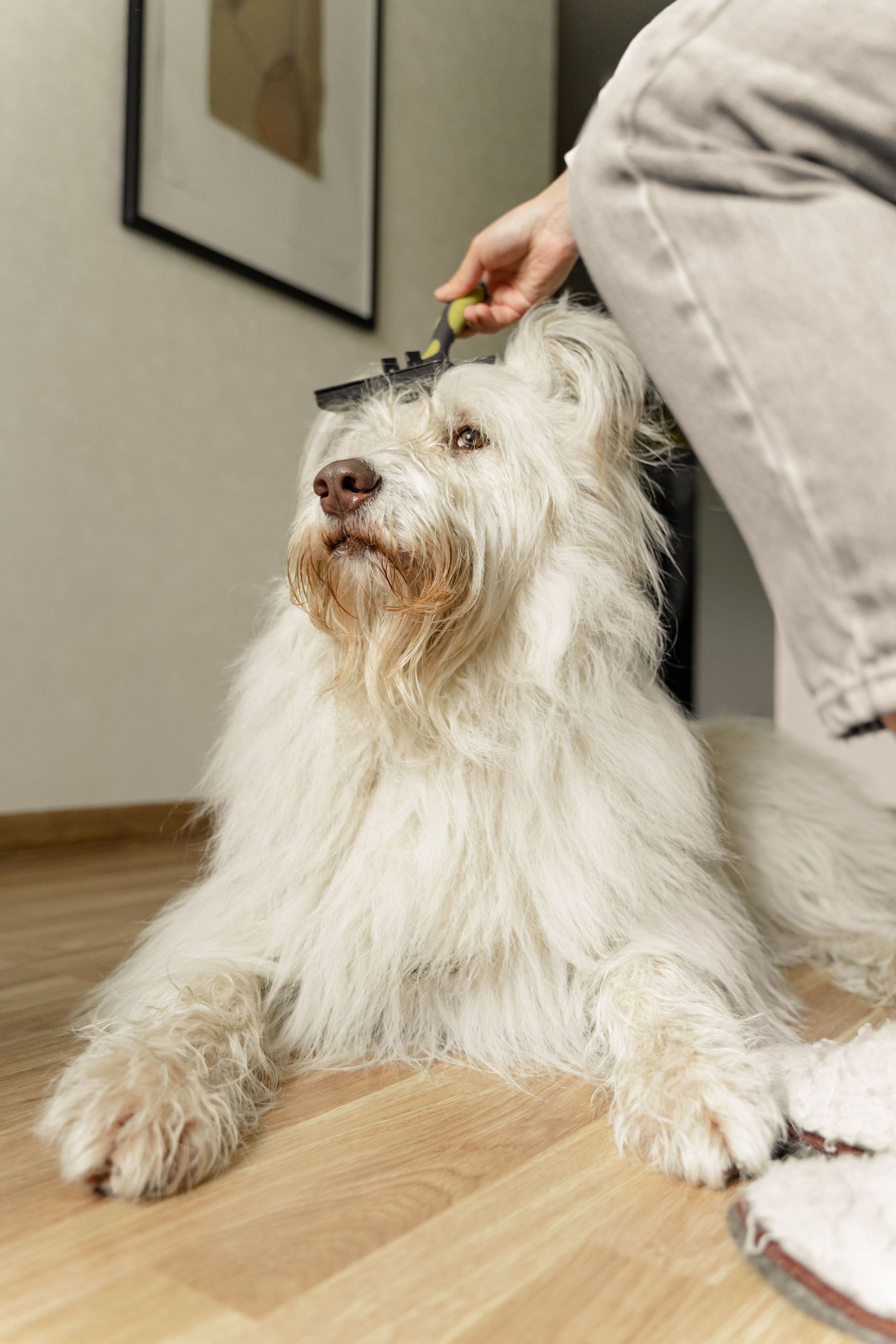
Should You Shave Your Dog in the Summer? (Spoiler: Not Always!)
April 22, 2026
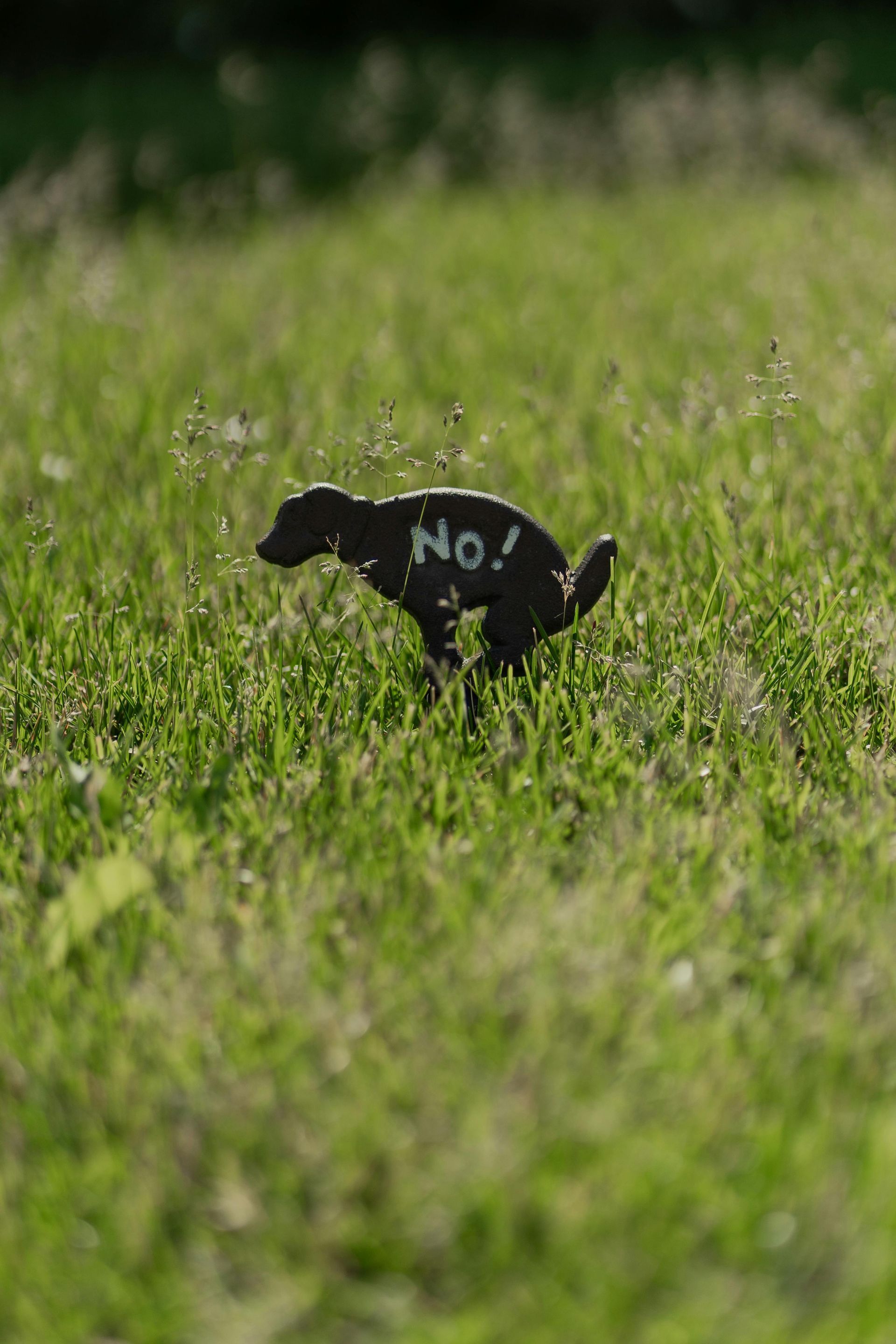
Simple ways to stay on top of pet waste:

A grey tabby cat with folded ears peeks out from beneath a brown textured blanket on a soft, light-colored surface.
March 20, 2026
As humans, we love when spring Daylight Savings Time comes around. Our days stay brighter, get longer, and it means the glorious seasons of Spring and Summer are just around the corner. Feels like heaven, right?  Sadly, it doesn’t have all the same great benefits for our pets! They don’t live their days by the time on the clock like us. For some pets, even slight changes in their daily routines can leave them feeling hungry or confused. Here are a few tips on helping your pet adjust to the adjustments that come with Daylight Savings Time.

A smiling bride and groom sitting in a sunny field with a black and white dog wearing a bow tie.
February 14, 2026
Make Every Moment Count: Let Your Pets Share Your Wedding Day

January 20, 2026
Beyond the Basics: Pet Care Done Right